
Damp advice
Understanding damp before you spend money on it
Rising damp, penetrating damp and condensation look similar and need completely different work. Getting that wrong is how people end up paying twice.
The three types
Rising, penetrating and condensation
Almost every damp problem in a North East home is one of these three, or a combination of two of them. This is how to tell them apart before anyone quotes you.
Rising damp
- What it is
- Groundwater drawn up through the base of a wall because the damp proof course has failed or was never fitted.
- How to spot it
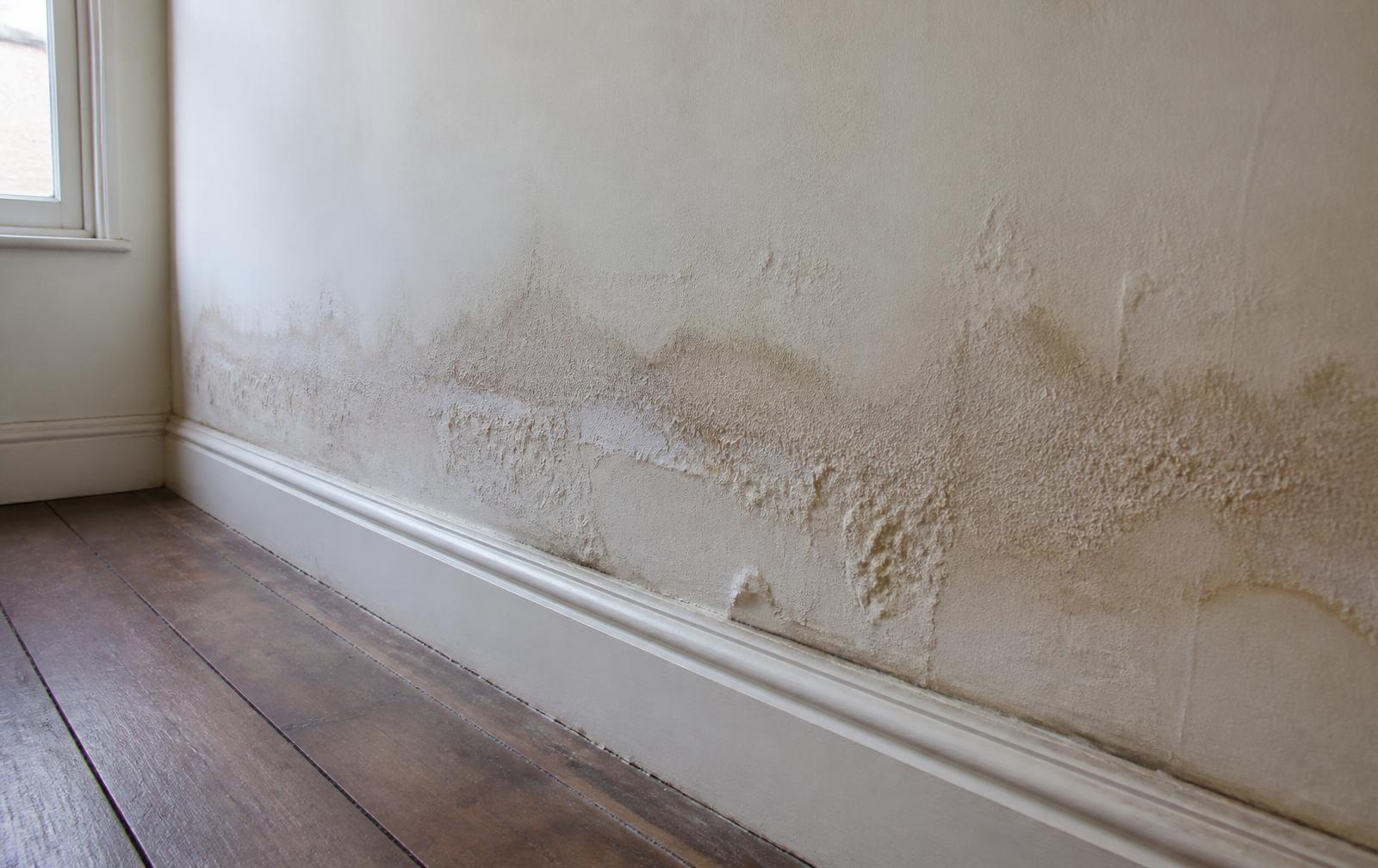
- A tidemark rising from the skirting to roughly a metre, blown plaster low down, and white salt deposits. It affects the bottom of the wall, not the top.
- What fixes it
- A new chemical damp proof course injected into the mortar, then salt resistant replastering. External ground levels and gullies are checked at the same time.
Penetrating damp
- What it is
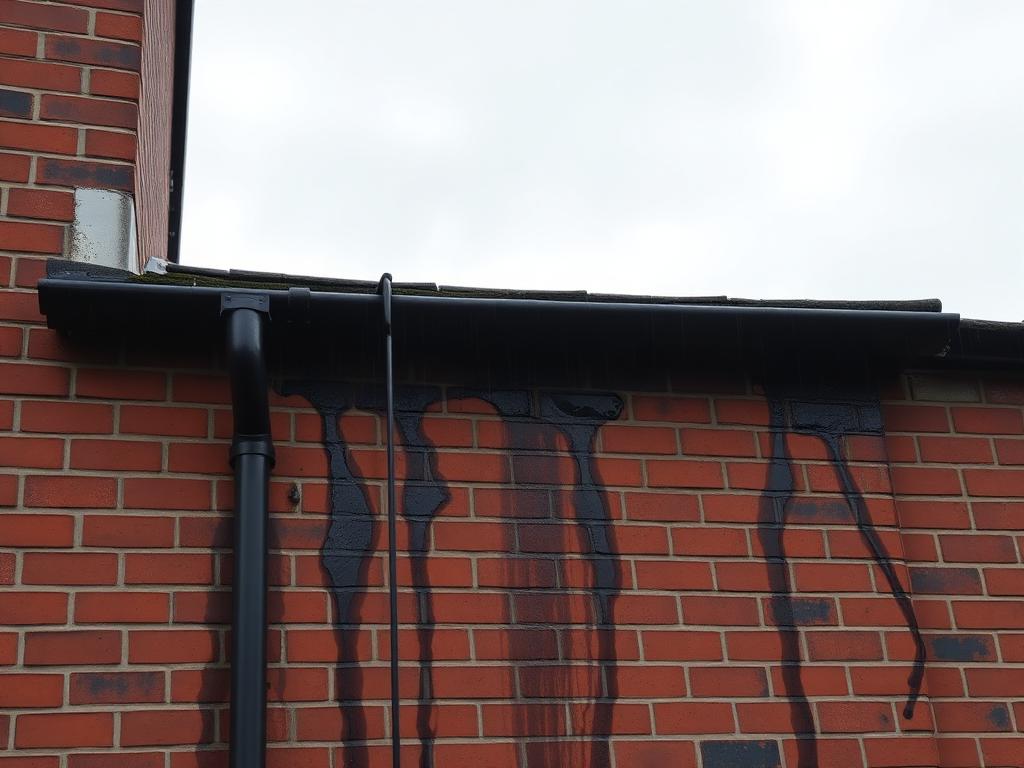
- Rainwater getting in through the fabric of the building, for example a cracked gutter, failed pointing, a leaking downpipe or defective flashing.
- How to spot it
- One patch in one place rather than a band across the wall, often worse after heavy rain, and frequently at high level or beside a chimney.
- What fixes it
- Repair the defect that is letting water in, then make good inside. The survey checks gutters, downpipes, pointing and flashings to find the source.
Condensation
- What it is
- Moisture produced inside the property, from cooking, washing and drying clothes, settling on cold surfaces.
- How to spot it
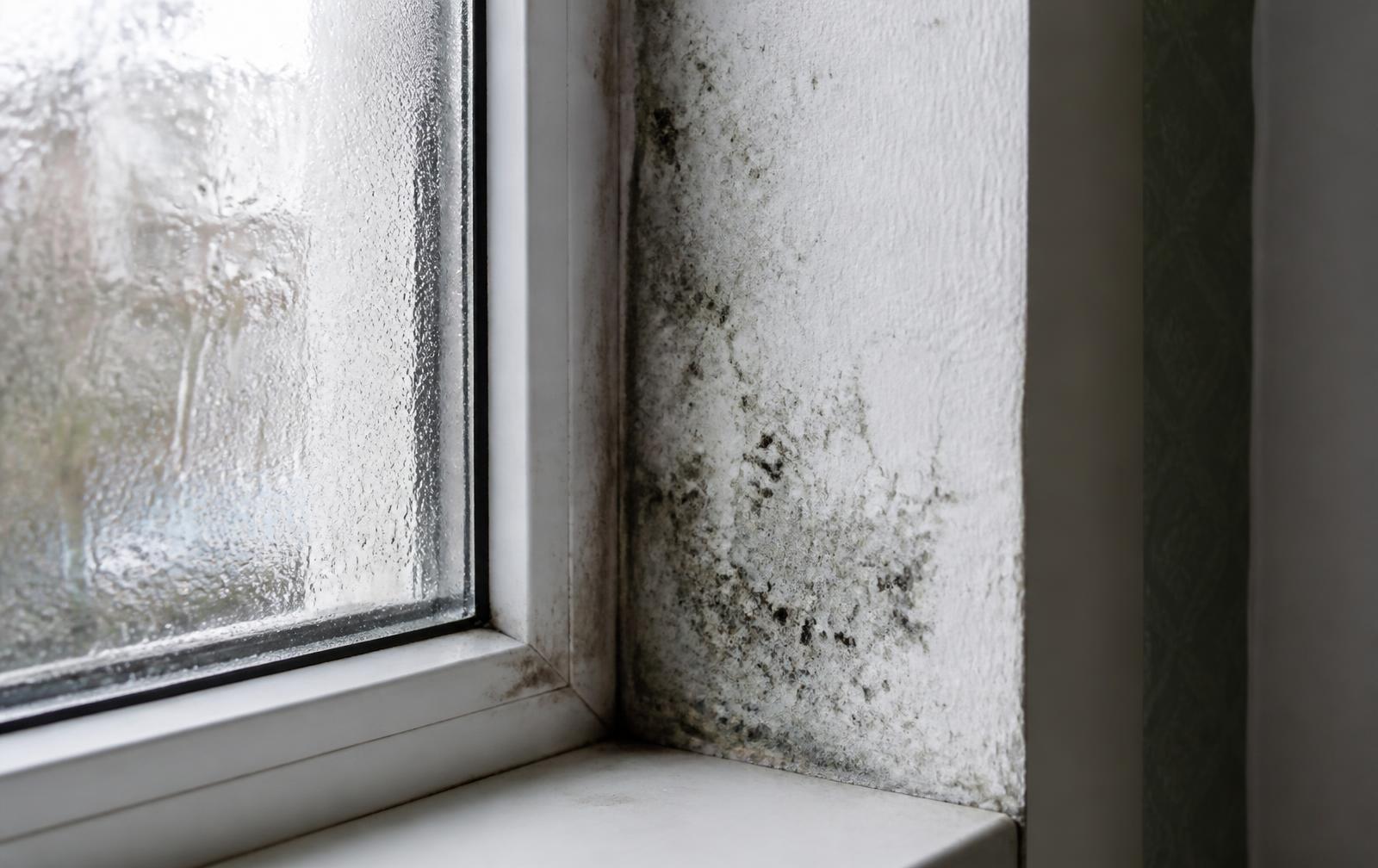
- Black mould on window reveals, ceiling corners and behind furniture, plus water on the glass in the morning. Worst in winter.
- What fixes it
- Treat the mould, then improve ventilation and reduce humidity, usually with extraction or a positive input ventilation unit.
Symptom checker
What you can see, and what it usually means
None of this replaces a survey, but it will tell you roughly what you are dealing with. If you would rather just ask, call 0191 676 7900.
A tidemark rising up the wall
A brown or yellow band above the skirting, with paint or plaster lifting along it.
Likely rising damp
See the serviceBlack spots and streaming windows
Black speckling on window reveals, ceilings and behind wardrobes, with water on the glass each morning.
Likely condensation
See the serviceOne damp patch that never dries
A single patch in one place, often near a gutter, downpipe or chimney, that stays dark after rain.
Likely penetrating damp
See the serviceSoft, spongy or cracked timber
Skirting, a door frame or a floorboard that gives way when pressed, sometimes with a musty smell.
Likely timber decay
See the serviceSmall round holes in floorboards
Neat holes a couple of millimetres across, sometimes with fine dust beneath them.
Likely woodworm
See the serviceHorizontal cracks in the brickwork
Cracking that runs along the mortar courses outside, often repeating up the wall.
Likely wall tie corrosion
See the service
Questions
Common questions about damp work
Costs, guarantees, reports for lenders, and how long the work takes.
Landlords and agents
Damp and mould in rented property
Since the Social Housing (Regulation) Act and the wider attention on damp and mould, tenant reports need dealing with properly rather than with a coat of paint. We survey, report and treat, and provide the documentation you need on file.

Worried about damp in your property?
Book a free survey and we will tell you what is causing it, what needs doing and what it will cost, in writing. No pressure, no jargon, and nothing priced before the cause is confirmed.